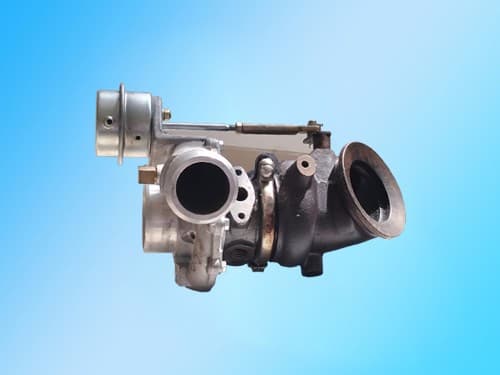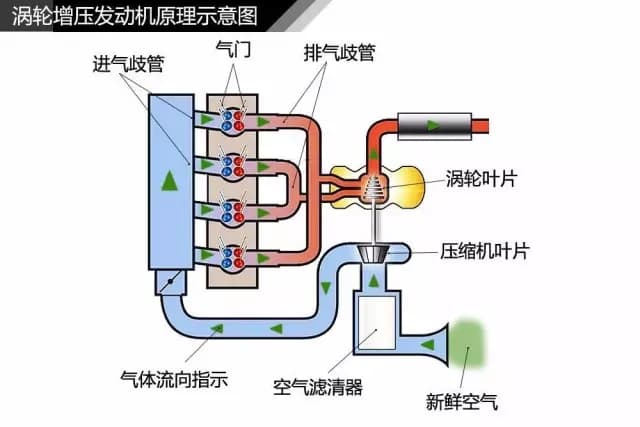
Turbochargers are becoming common and more and more vehicles are fitted with one. A turbocharged engine places higher demands on both maintenance and driving; with a turbocharger added, it is not the same as a naturally aspirated engine. Those who enjoy the efficiency of a turbocharged engine have to pay for it with stricter maintenance and driving habits.
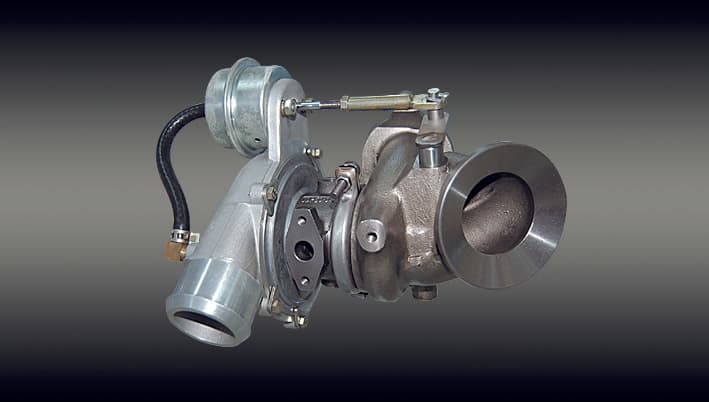
1. Cleanliness
Clean the air filter regularly to keep contaminants out of the compressor wheel; otherwise the speed may become unstable or wear of the bearing sleeves and seals will increase. Keep the engine oil and oil filter clean as well, or the turbocharger may fail prematurely.
2. Do not drive off immediately after starting
In winter, let the engine idle for a while after starting so that the oil can fully lubricate the bearings before the turbocharger rotor reaches high speed. Do not rev the engine hard just after starting, to avoid damaging the turbocharger oil seals.
3. Do not switch off immediately
Let the engine idle for 3–5 minutes before switching it off. While the engine is running, part of the engine oil is supplied to the turbocharger rotor bearings for lubrication and cooling. When a running engine is stopped suddenly, the oil pressure quickly drops to zero, the heat of the turbine section is conducted to the bearing housing and cannot be carried away from the bearings quickly, while the rotor is still spinning at high speed under its own inertia. The oil remaining in the turbocharger can then overheat and damage the bearings and shaft. Never rev the engine hard a few times and then switch it off abruptly.
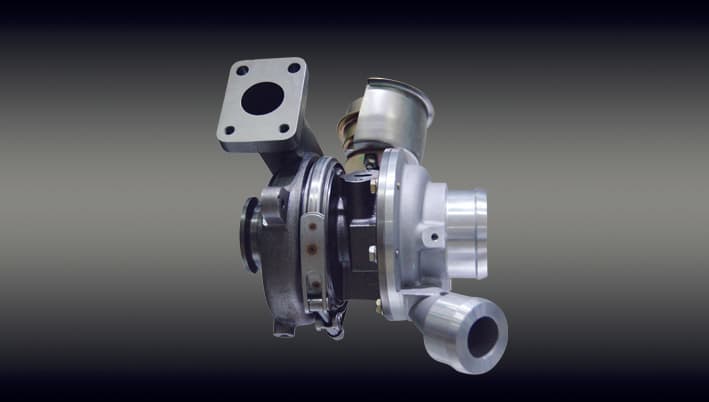
Vehicle maintenance concerns the whole vehicle, not just one part of it. To look after the whole, owners need to pay attention to details and start with the small things.